

CWDM & DWDM Network Planning by Channel, Loss & Reach
Compare CWDM and DWDM grids by channel plan, mux loss, transceivers, dispersion, power budget, monitoring and upgrade path.
Technical page updated 2026-09-30
Quick answer
Choose CWDM for wider channel spacing and simpler shorter links, or DWDM when channel count, spectral efficiency and amplified reach justify tighter control. Confirm wavelength plan, mux loss, transceivers, dispersion, power and monitoring before deployment.
Suitable project types
- Metro and access capacity upgrades
- Campus and enterprise fiber reuse
- Data center interconnects
- Carrier wavelength expansion and protected rings
Inputs required before selection
- 1Required channels, wavelengths and growth reserve
- 2Fiber type, route loss, reach and dispersion
- 3Mux/demux, OADM, amplifier and monitoring plan
- 4Transceiver grid, power budget and connector package
- 5Protection, service turn-up and acceptance policy
Planning workflow
- 1
Forecast channels
List current services, line rates, wavelengths and growth reserve before selecting a CWDM or DWDM grid.
- 2
Build the optical budget
Include mux/demux, patching, splices, OADM, amplifier, connector and engineering margin for every path.
- 3
Match optics and fiber
Confirm transceiver wavelengths, channel spacing, fiber dispersion and power levels at both ends.
- 4
Commission the system
Verify insertion loss, channel isolation, power, alarms, labeling and service performance with a controlled record.
Selection checklist
- CWDM grid or DWDM ITU channel plan
- Channel count and upgrade reserve
- Mux/demux, OADM, rack, LGX or ABS package
- Line rate, reach, dispersion and power budget
- Monitoring, protection and commissioning documentation
Important limits
- Channel count alone does not determine capacity; optics, loss, dispersion and power also constrain the link.
- DWDM planning may require amplifier, dispersion and monitoring engineering.
- Confirm active equipment wavelength plan before ordering passive modules.
Products mapped to this workflow
These products are relevant to specific stages of the workflow. Final suitability depends on the configuration and acceptance criteria above.
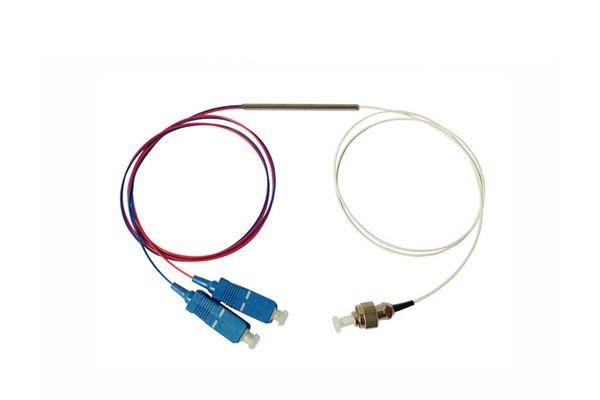
Fused WDM Module 1310/1550nm
Single mode wavelength division multiplexer WDM 1310/1550 1X2 2X2 with low insertion loss and high isolation.
View Details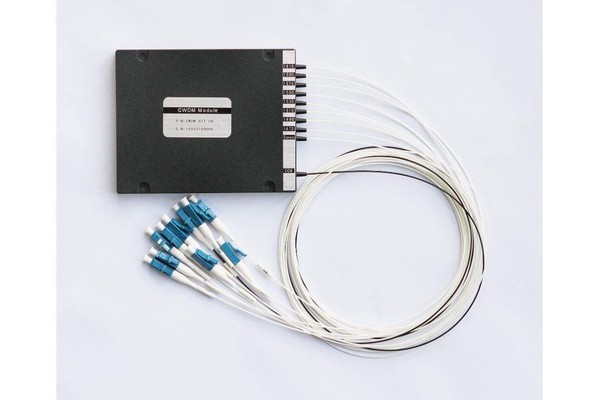
CWDM (19 Inch Rack, ABS & LGX Box)
CWDM in 3 types: 19 Inch Rack, ABS box and LGX box with MUX, Demux and MUX/DEMUX configurations.
View Details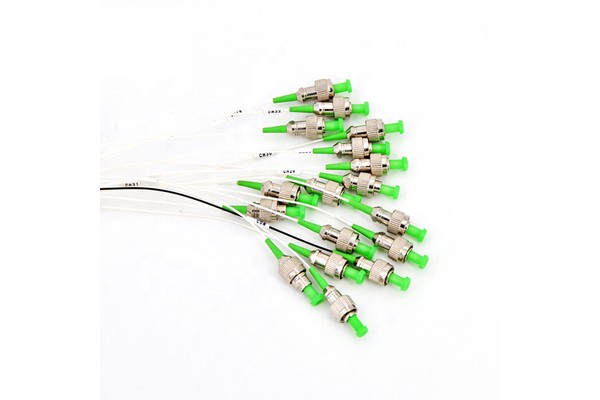
DWDM (19 Inch Rack, ABS & LGX Box)
DWDM Dense WDM in full configurations: 2CH, 4CH, 8CH with 19-inch rack, ABS and LGX box packaging.
View Details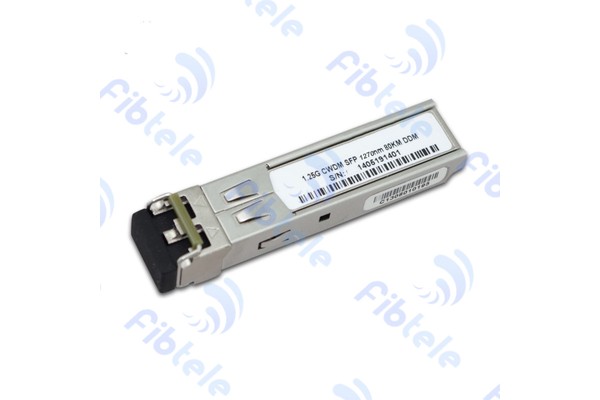
CWDM SFP
CWDM SFP transceiver fully compliant with IEEE802.3-2012, G.695 and G.957 standards for up to 100km link distances.
View Details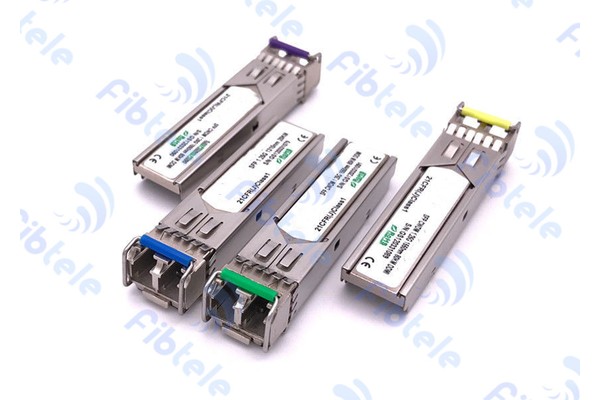
DWDM SFP
Dense Wavelength Division Multiplexing SFP transceivers delivering high speeds and deployment flexibility.
View Details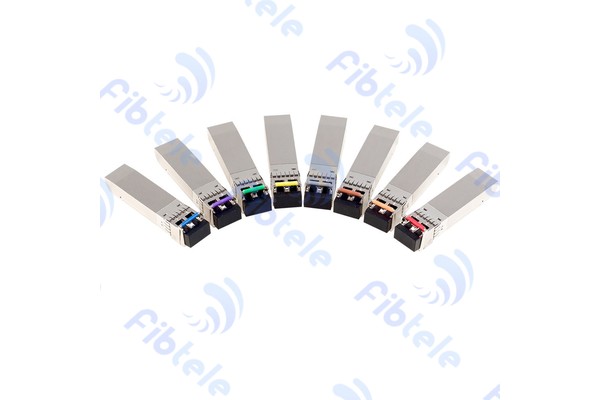
CWDM SFP+
10G CWDM SFP+ transceiver with power budget 16-24dBm, 18 center wavelengths from 1270nm to 1610nm.
View Details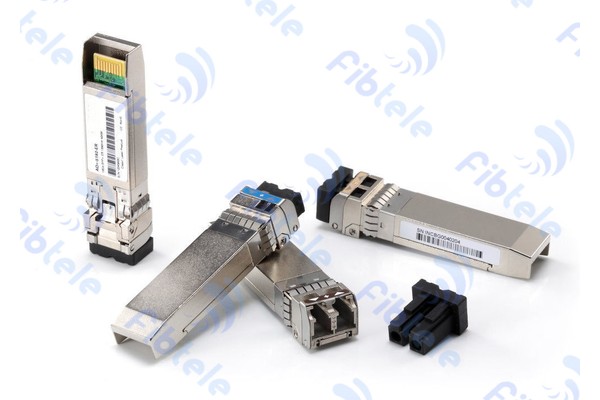
DWDM SFP+
DWDM SFP+ module for single mode fiber at 100GHz or 50GHz ITU Grid nominal wavelength.
View DetailsRelated technical guides
Primary references
- ITU-T G.694.1 — Spectral grids for WDM applications
International Telecommunication Union
Frequently asked questions
DWDM is appropriate when channel plan, spectral efficiency, reach or capacity justifies tighter wavelength and power engineering. CWDM is often simpler for fewer channels and shorter routes.
No. The module wavelength must match the mux channel and the link budget, connector and power conditions. Confirm the complete channel plan.
Verify module and channel identity, then measure insertion loss, power and channel isolation against the approved design and record the results.
Send the project inputs for configuration review
Include endpoint models, interfaces, quantities, route or process constraints, required test documents and acceptance criteria.