

Optical Transceiver Selection by Speed, Reach & Host Platform
Select SFP, SFP+, SFP28, QSFP+ or QSFP28 modules by host coding, wavelength, reach, fiber, temperature and diagnostics.
Technical page updated 2026-09-30
Quick answer
Select a transceiver from the host platform and port coding first, then match speed, fiber type, wavelength, reach, connector, temperature and diagnostics. Validate interoperability with the switch, firmware and channel budget before purchase.
Suitable project types
- 1G to 100G enterprise and carrier networks
- Data center leaf-spine upgrades
- CWDM/DWDM or BiDi links
- Industrial and extended-temperature deployments
Inputs required before selection
- 1Switch/router host, port coding and firmware
- 2Data rate, modulation and form factor
- 3Fiber mode, wavelength, connector and reach
- 4Temperature, DOM/DDM, FEC and alarm requirements
- 5Channel loss, dispersion and interoperability limits
Planning workflow
- 1
Lock the host
Record platform, port type, coding, firmware and vendor compatibility before selecting the optical module.
- 2
Match the link
Choose fiber, wavelength, reach, connector and channel budget for the actual route and patching.
- 3
Check conditions
Set temperature, DOM/DDM, power, FEC and regulatory requirements for the equipment location.
- 4
Run acceptance tests
Verify coding, optical power, alarms, error performance and interoperability in the target host before release.
Selection checklist
- SFP, SFP+, SFP28, QSFP+ or QSFP28
- Host coding, firmware and OEM compatibility
- Wavelength, reach, fiber and connector
- Commercial, industrial or extended temperature
- DOM/DDM, FEC, power and test-report requirements
Important limits
- A nominal speed match does not prove host interoperability.
- Reach values assume a defined fiber, loss, dispersion and temperature condition.
- Confirm coding, firmware and warranty policy for each target platform.
Products mapped to this workflow
These products are relevant to specific stages of the workflow. Final suitability depends on the configuration and acceptance criteria above.
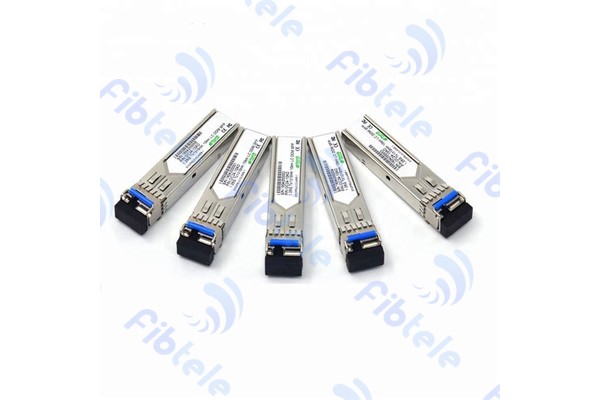
SFP Optical Transceiver
SFP small form factor pluggable transceiver module compatible with Multi-Sourcing Agreement (MSA) standards.
View Details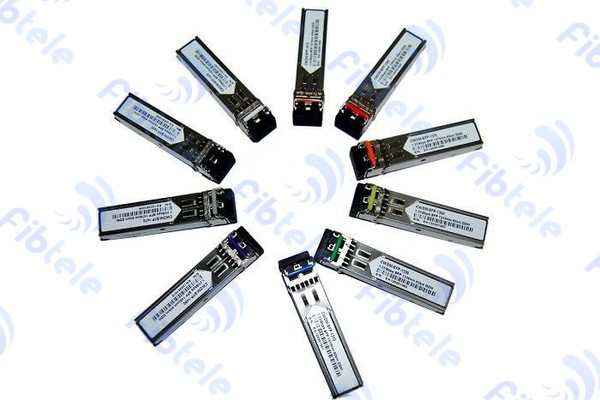
BIDI SFP
Bi-directional SFP optical transceiver with simplex SC/LC connector and multiple TX/RX wavelength combinations.
View Details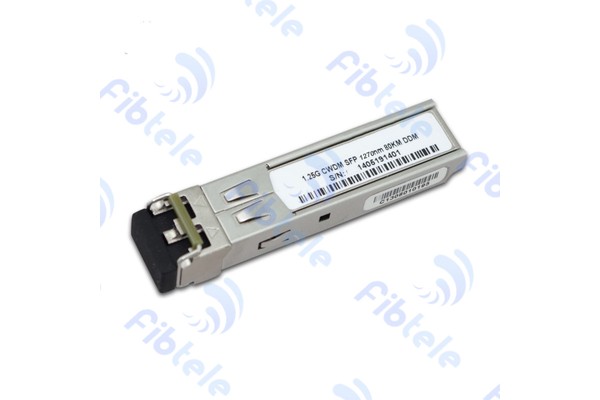
CWDM SFP
CWDM SFP transceiver fully compliant with IEEE802.3-2012, G.695 and G.957 standards for up to 100km link distances.
View Details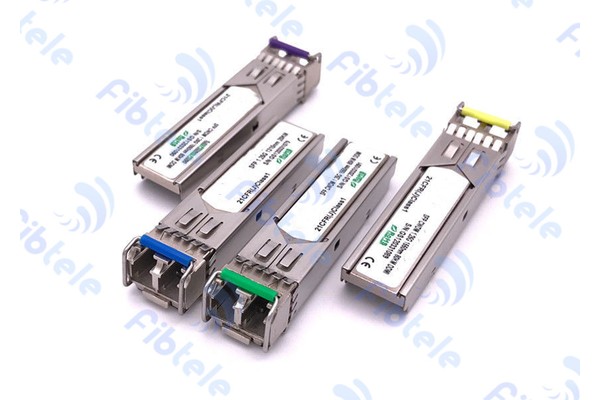
DWDM SFP
Dense Wavelength Division Multiplexing SFP transceivers delivering high speeds and deployment flexibility.
View Details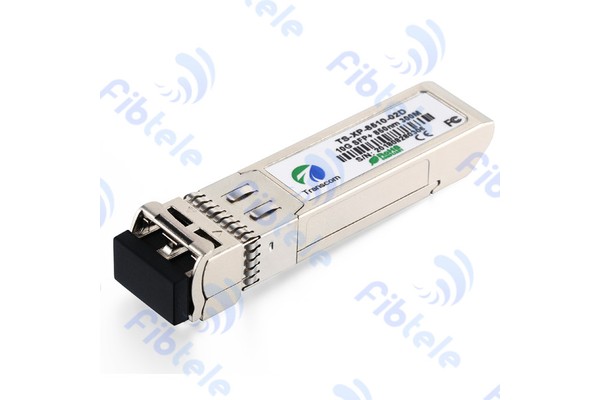
10G SFP+
SFP+ multi-purpose optical modules for 6/8/10Gbit/s data transmission at distances from 300m to 80km.
View Details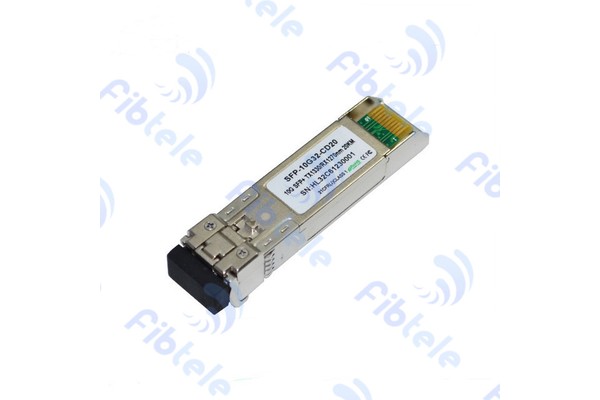
SFP+ BIDI
BIDI SFP+ transceivers operating on single strand SMF using different DFB/EML transmitter and PIN/APD receiver.
View Details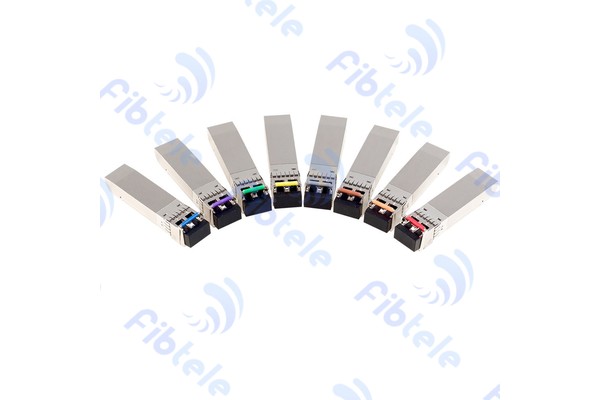
CWDM SFP+
10G CWDM SFP+ transceiver with power budget 16-24dBm, 18 center wavelengths from 1270nm to 1610nm.
View Details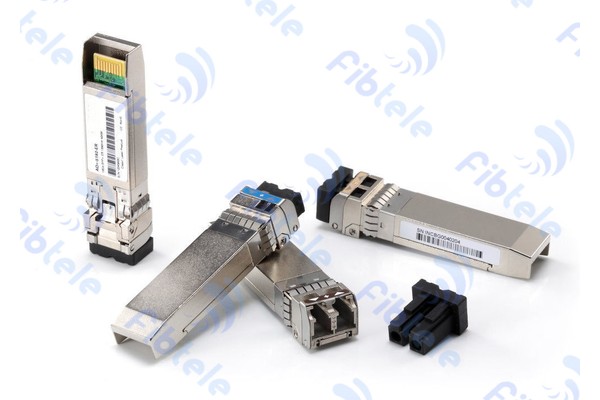
DWDM SFP+
DWDM SFP+ module for single mode fiber at 100GHz or 50GHz ITU Grid nominal wavelength.
View Details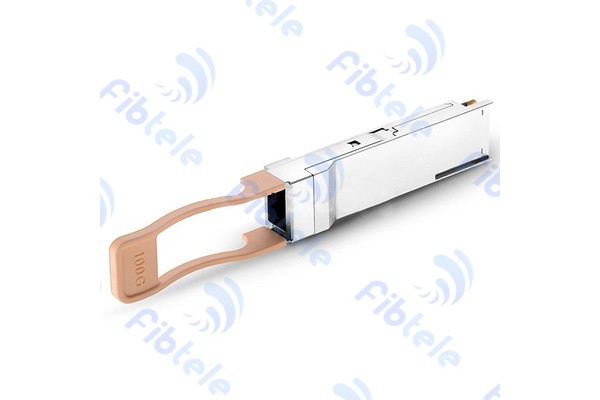
25G SFP28
25G SFP28 transceiver module compatible with 100GBASE-ER4 QSFP28 standards for next-generation networks.
View Details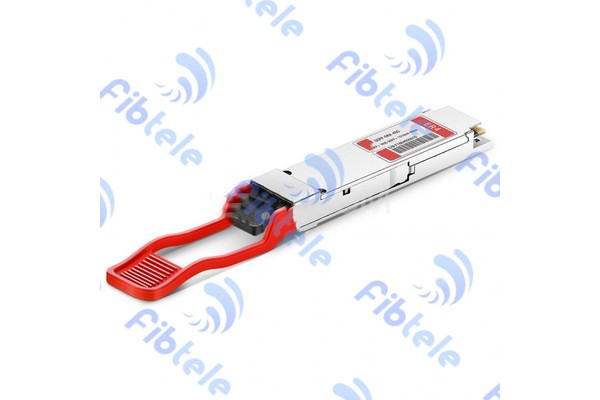
40G QSFP+
40GBASE-ER4 and OTU3 QSFP+ transceiver module for SMF, 1310nm wavelength, 40km reach with LC connector.
View Details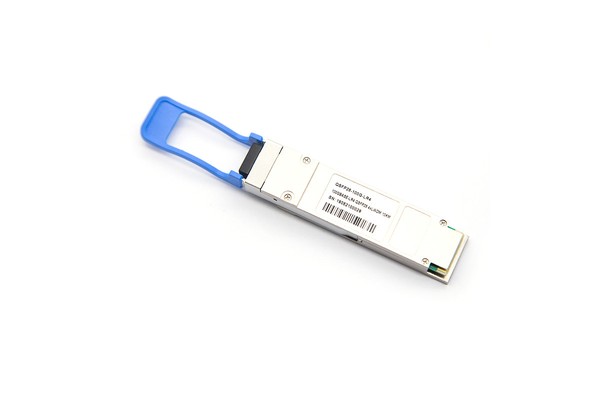
100G QSFP28
100GBASE-ER4 QSFP28 transceiver module for SMF, 1310nm wavelength, 40km reach with DOM support.
View DetailsRelated technical guides
Primary references
- IEEE 802.3 Ethernet standards
IEEE Standards Association
Frequently asked questions
Compatibility depends on host coding, firmware, EEPROM profile, port rules and warranty policy. Test the exact module and platform combination.
BiDi uses two wavelengths over one fiber, while duplex optics use separate transmit and receive fibers. The remote end must use the matching wavelength pair.
Include part number, coding, wavelength, temperature, optical power, receiver sensitivity, alarms, error results and the host or test fixture used.
Send the project inputs for configuration review
Include endpoint models, interfaces, quantities, route or process constraints, required test documents and acceptance criteria.