
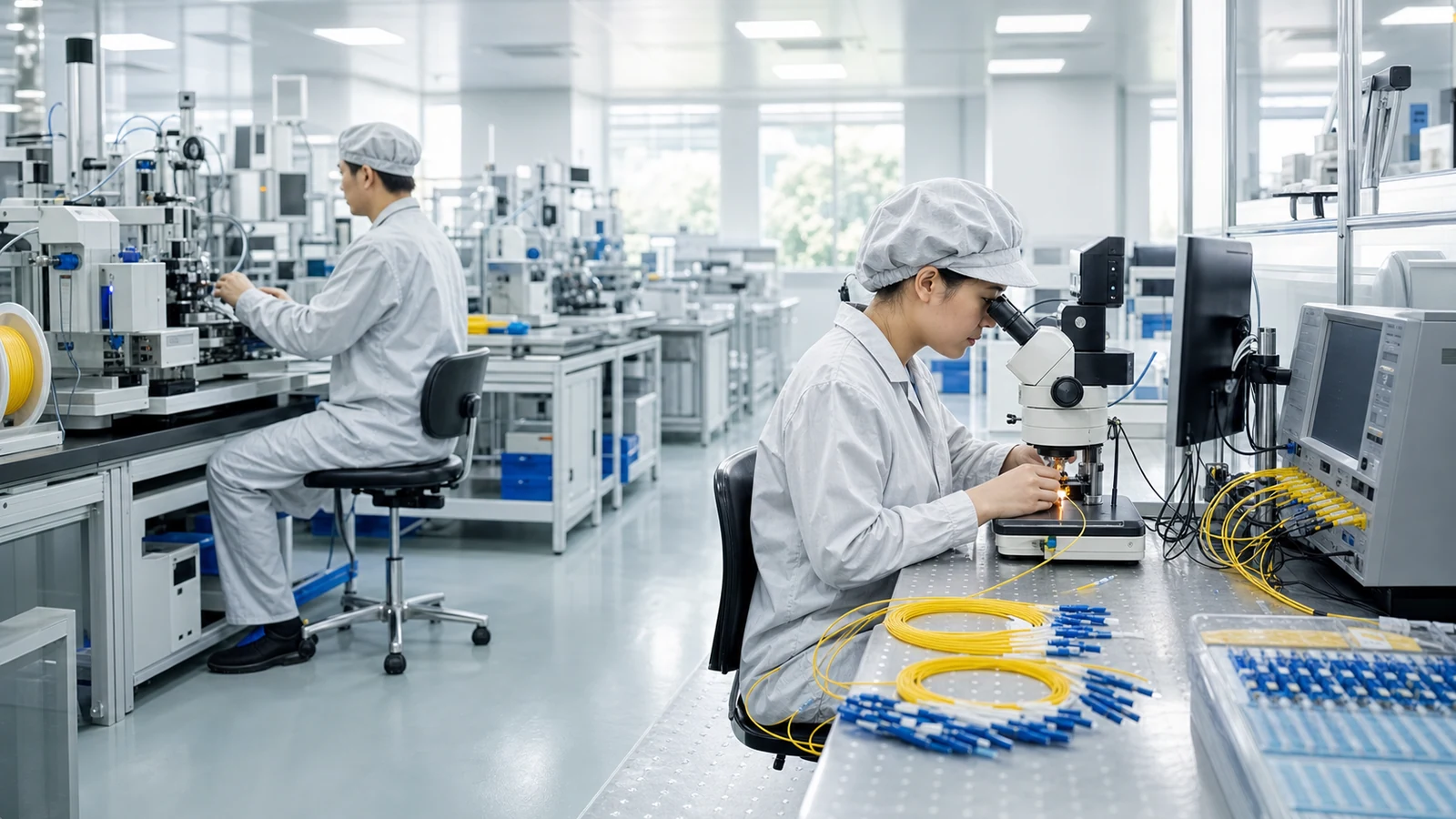
Turnkey Fiber Optic Patch Cord Production Line
Map the complete patch cord workflow from cable preparation and curing through polishing, end-face inspection, IL/RL testing and release.
Technical page updated 2026-07-23
Quick answer
A patch cord production line is a controlled sequence of cable preparation, fibre termination, epoxy curing, connector polishing, end-face inspection and optical testing. The machine list must be matched to connector types, target volume, cable construction and acceptance criteria.
Suitable project types
- New LC, SC, FC, ST or E2000 patch cord assembly lines
- Existing workshops adding higher-volume or more repeatable polishing
- Factories planning separate single-fibre and MPO/MTP work cells
- Teams defining equipment, fixture, consumable and inspection requirements
Inputs required before selection
- 1Connector families, polish types and fibre counts
- 2Cable diameters, jacket materials, breakout styles and reinforcement
- 3Target daily volume, shifts, operators and product mix
- 4Required end-face, insertion-loss, return-loss and geometry acceptance
- 5Available power, compressed air, workbench area and environmental controls
Planning workflow
- 1
Prepare cable and components
Cut, strip, clean and stage cable, fibre, boots, ferrules, housings, epoxy and reinforcement for the approved work instruction.
- 2
Terminate and cure
Control epoxy mixing or dispensing, fibre insertion, crimping and curing conditions for the selected connector system.
- 3
Polish and clean
Use the correct fixture, pressure, film sequence and process recipe for PC, UPC, APC or rectangular multi-fibre ferrules.
- 4
Inspect and test
Inspect the end face, then perform the defined optical and geometry tests. Visual inspection does not replace attenuation or return-loss measurement.
- 5
Record and release
Tie test results, operator, equipment, consumable lot and rework disposition to the finished cable identification.
Selection checklist
- Machine and fixture compatibility with every connector and ferrule
- Polishing repeatability, recipe control and consumable availability
- Curing capacity, temperature control and work-in-process flow
- Inspection magnification, analysis method and cleanliness criteria
- IL/RL test wavelengths, reference method, channel count and data export
Important limits
- Throughput depends on the complete process, staffing, product mix and acceptance rules; one machine cannot establish line capacity.
- MPO/MTP production requires separate fibre-array handling, polarity control and geometry verification.
- Final machine configuration and compliance documents must be confirmed against the selected models.
Products mapped to this workflow
These products are relevant to specific stages of the workflow. Final suitability depends on the configuration and acceptance criteria above.
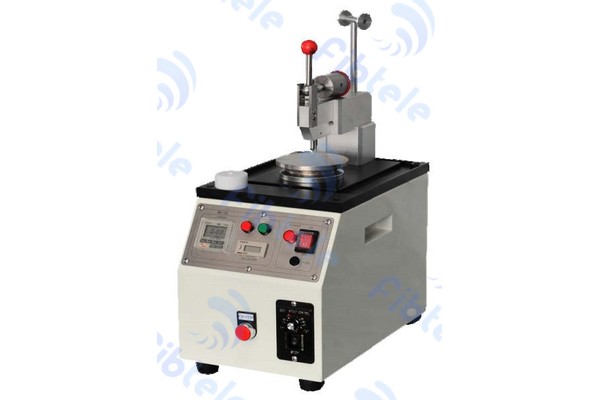
Round Type Polishing Machine
High-precision automatic round type fiber optic connector polishing machine with programmable polishing parameters for mass production.
View Details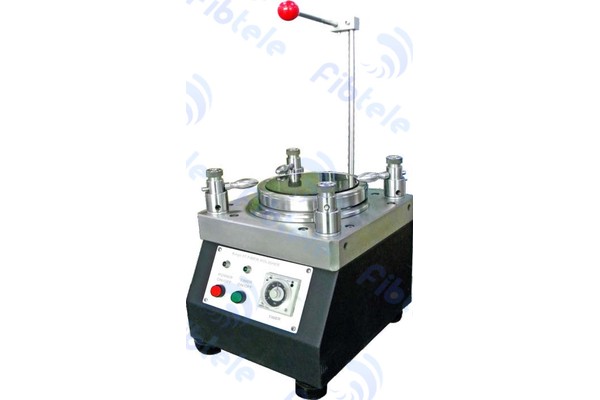
Square Type Polishing Machine
Square type fiber optic polishing machine for batch processing of fiber optic connectors with stable and reliable performance.
View Details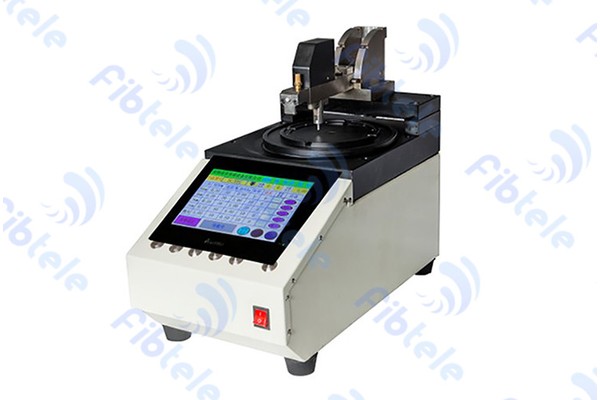
MPO/MTP Polishing Machine
Specialized polishing machine designed for MPO/MTP multi-fiber connectors with high precision alignment.
View Details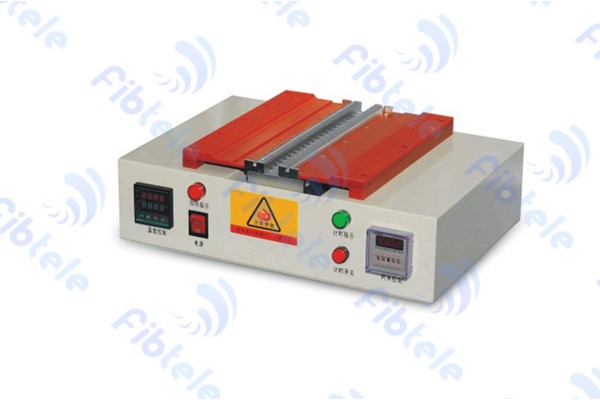
Fiber Curing Oven FT-24T
Precision temperature-controlled curing oven FT-24T for fiber optic connector epoxy curing with 24 tube batch processing capability.
View Details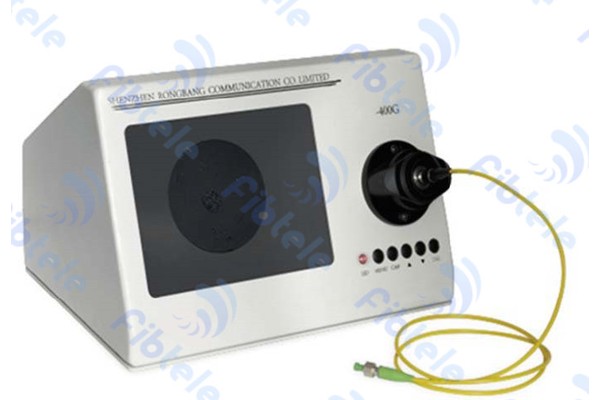
400X Fiber Microscope
Desktop 400X magnification fiber microscope for end-face inspection of fiber optic connectors with image capture capability.
View Details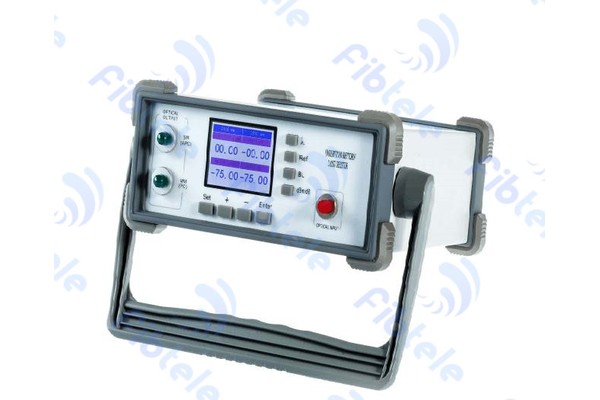
Insertion Loss and Return Loss Tester
Precision fiber optic tester for measuring insertion loss and return loss of fiber optic patch cords and connectors.
View Details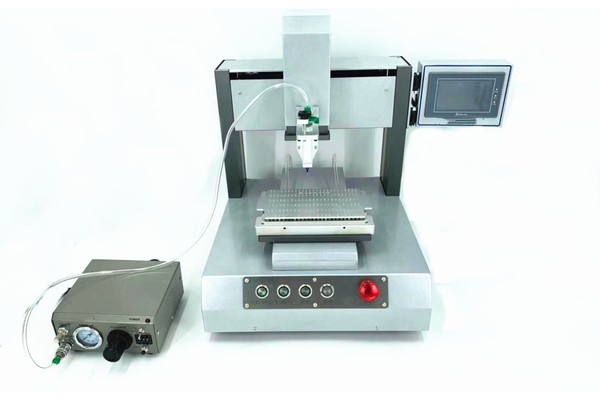
Automatic Glue Injection Machine
Stable and reliable automatic glue injection machine with English/Chinese language switchable and 3-axis manipulator.
View Details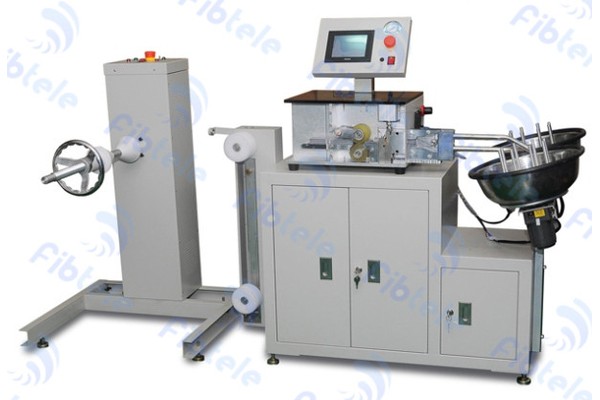
Cutting Machine
Precision fiber optic cable cutting machine for accurate cable length measurement and clean cuts.
View DetailsRelated technical guides
Primary references
- IEC 61300-3-35:2022 — Visual inspection of fibre optic connector end faces
International Electrotechnical Commission
Frequently asked questions
A typical line needs cable preparation tools, epoxy handling, curing, polishing fixtures and machines, end-face inspection, optical-loss testing, cleaning, traceability and packaging. The exact list depends on the connector and cable mix.
Not automatically. Confirm the fixture, ferrule geometry, polish type, pressure method, programme and film sequence for each connector family.
Size every workstation from takt time, batch size, changeover, yield, rework and inspection load. The bottleneck, not the fastest machine, determines sustainable output.
Send the project inputs for configuration review
Include endpoint models, interfaces, quantities, route or process constraints, required test documents and acceptance criteria.