

FTTH ODN Planning for GPON & XGS-PON
Plan FTTH passive infrastructure from the serving area, split topology and optical-loss budget through cables, closures, boxes and field acceptance.
Technical page updated 2026-07-23
Quick answer
An FTTH ODN should be designed from the serving area, splitter topology, optical-loss budget, route conditions and test acceptance criteria. Cables, splitters, closures and distribution boxes should be selected only after those inputs are fixed.
Suitable project types
- Greenfield GPON or XGS-PON optical distribution networks
- Residential, multi-dwelling-unit and business access areas
- ODN expansion projects that require documented splitter and port capacity
- Projects comparing centralized, distributed or cascaded splitting
Inputs required before selection
- 1Homes passed, take-rate assumption and growth reserve
- 2OLT and ONU optical classes, wavelengths and required engineering margin
- 3Target split ratio and whether splitting is centralized or cascaded
- 4Feeder, distribution and drop-route lengths and installation environments
- 5Splice, connector, enclosure, testing and restoration policies
Planning workflow
- 1
Define the PON and service area
Confirm the active equipment, subscriber density, route distances and future capacity before assigning splitter locations.
- 2
Build the loss budget
Account for fibre attenuation, splitter loss, connector pairs, splices, coexistence elements where applicable, and an explicit engineering margin.
- 3
Map the passive architecture
Size feeder and distribution fibres, closure trays, splitter ports, distribution boxes and customer drops against the selected topology.
- 4
Define field acceptance
Document inspection, power-meter or loss testing, OTDR use where appropriate, labelling, records and handover thresholds before procurement.
Selection checklist
- G.652 or bend-insensitive G.657 fibre requirement by route section
- Indoor, outdoor, aerial, duct or direct-installation environment
- Splitter package, connector type, split ratio and operating wavelengths
- Closure and box capacity, sealing, cable-entry and fibre-management needs
- Connector polish, splice method and end-to-end loss acceptance
Important limits
- A component list cannot replace a route survey or an end-to-end optical budget.
- Actual loss limits depend on the selected PON optics and the current controlled standards or operator specifications.
- Product availability, certification and environmental ratings must be confirmed for the exact model before ordering.
Products mapped to this workflow
These products are relevant to specific stages of the workflow. Final suitability depends on the configuration and acceptance criteria above.
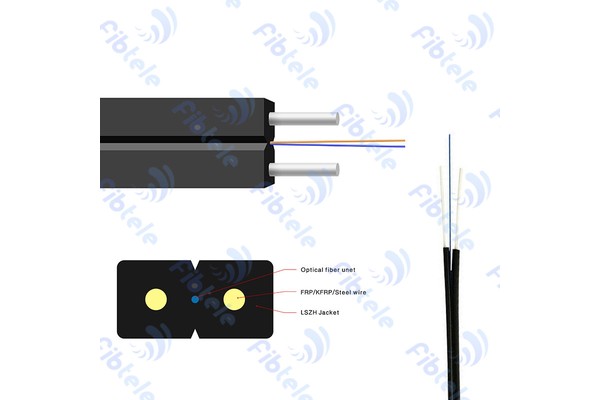
Fiber Drop Cable
Butterfly-shaped indoor optical cable for access network with central optical unit and two parallel FRP reinforcing elements.
View Details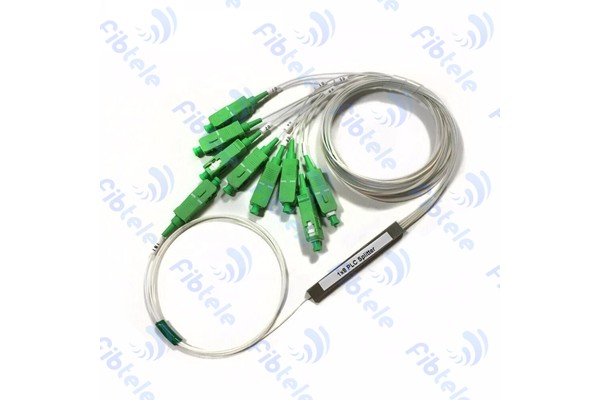
Mini Tube PLC Splitter
PLC splitter based on silicon dioxide waveguides for EPON, BPON and GPON network terminal equipment connections.
View Details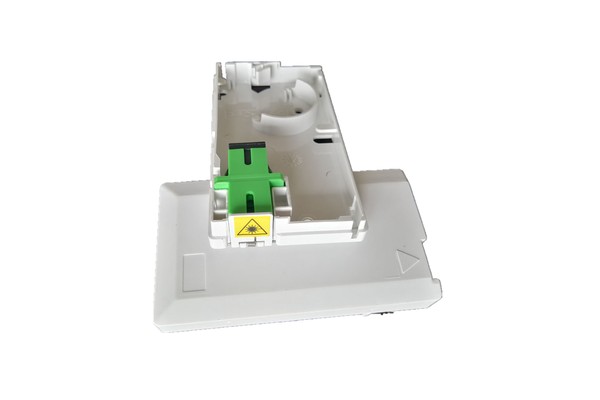
Splitter Distribution Box FDB
FTTH splitter distribution box with integrated splitter module for fiber-to-the-home deployments.
View Details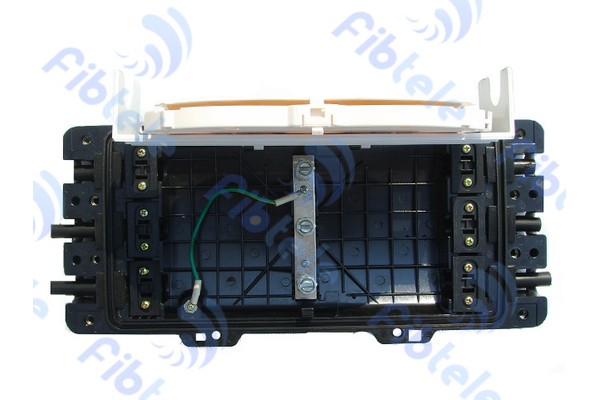
FT-G09-11 Fiber Optic Splice Closure
Maximum 96-core capacity splice closure with rubber seal, high-strength engineering plastic shell for harsh conditions.
View DetailsRelated technical guides
Primary references
- ITU-T G.657 — Characteristics of bend-insensitive single-mode fibre and cable
International Telecommunication Union
- ITU-T G.9807.1 — 10-Gigabit-capable symmetric passive optical network
International Telecommunication Union
Frequently asked questions
Provide the PON type, optical classes, serving area, route lengths, split topology, installation environments, port capacity, connector policy and field acceptance criteria.
Coexistence can be designed, but it depends on wavelengths, active equipment, coexistence elements and the complete loss budget. Confirm the current equipment and ITU-T requirements before reusing an ODN.
No. Splitter ratio and placement should be evaluated together with reach, connector and splice counts, optical classes, growth needs and engineering margin.
Send the project inputs for configuration review
Include endpoint models, interfaces, quantities, route or process constraints, required test documents and acceptance criteria.