

FTTH Drop Cable Design for Aerial, Duct & Indoor Runs
Select G.657 drop cable profiles, strength members, span, bend, jacket and termination for the last-mile route.
Technical page updated 2026-09-30
Quick answer
An FTTH drop cable must fit the last-mile route and termination method. Confirm fiber type, cable shape, self-support span or duct pull, tensile member, bend radius, fire behavior and connector or splice plan before ordering.
Suitable project types
- Aerial self-supporting FTTH drops
- Duct and microduct customer drops
- Indoor riser and apartment connections
- Pre-connectorized and field-terminated access networks
Inputs required before selection
- 1Route type, span, attachment and pulling method
- 2G.657 fiber type and optical class
- 3Fiber count, cable dimensions and messenger
- 4Bend radius, tensile, crush and temperature limits
- 5Termination, connector, splice and labeling method
Planning workflow
- 1
Classify the route
Separate aerial, duct, indoor and direct-installation sections because each has different mechanical and fire requirements.
- 2
Choose the profile
Select flat, figure-8, round, self-supporting or armored construction with the right strength member.
- 3
Plan termination
Reserve stripping length and bend control for the selected fast connector, splice, rosette or box.
- 4
Validate deployment
Review drum length, attenuation, pulling or span limits, markings and field acceptance records.
Selection checklist
- G.657.A1/A2/B3 or project-specified fiber
- Flat, round, figure-8 or armored profile
- Messenger and self-support span
- Tensile, crush, bend and temperature ratings
- Jacket, fire rating, connector and box compatibility
Important limits
- Self-support span and installation tension must be calculated for the route and climate.
- Bend-insensitive fiber does not remove minimum bend-radius requirements for the complete cable.
- Confirm local aerial, fire and building-entry rules before shipment.
Products mapped to this workflow
These products are relevant to specific stages of the workflow. Final suitability depends on the configuration and acceptance criteria above.
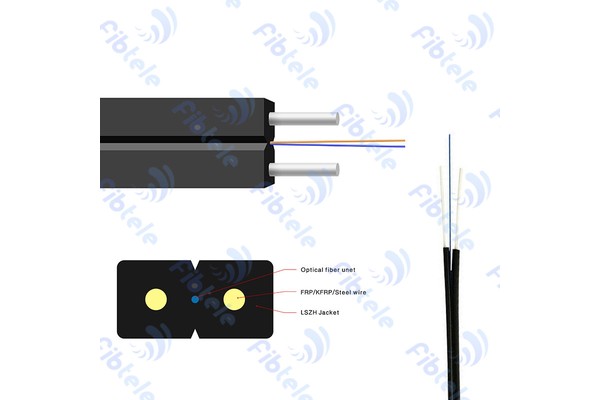
Fiber Drop Cable
Butterfly-shaped indoor optical cable for access network with central optical unit and two parallel FRP reinforcing elements.
View Details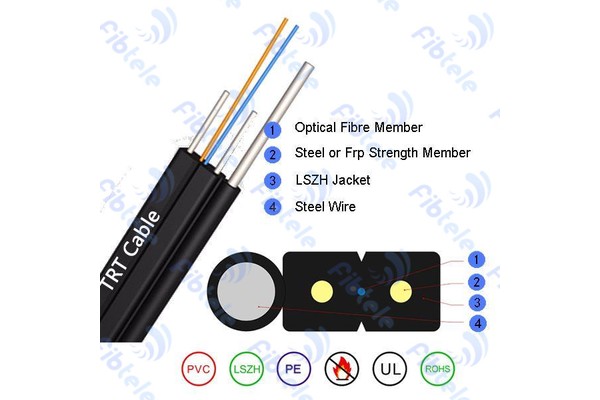
Drop Fiber Optic Cable
Self-supporting butterfly-shaped indoor optical cable for access networks with non-metallic reinforcing elements.
View Details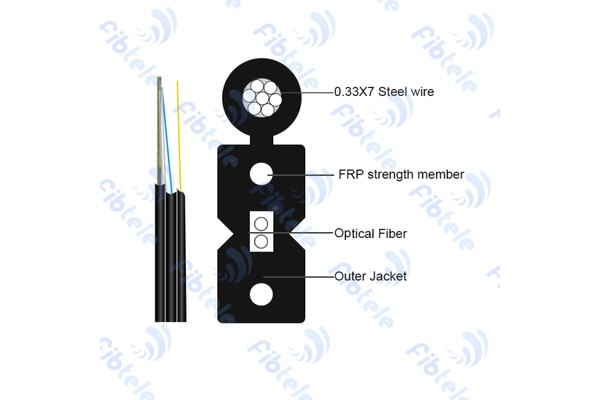
Self-Supporting FTTH Drop Cable
Special bending-resistant optical fiber cable providing greater bandwidth and enhanced network transmission characteristics.
View Details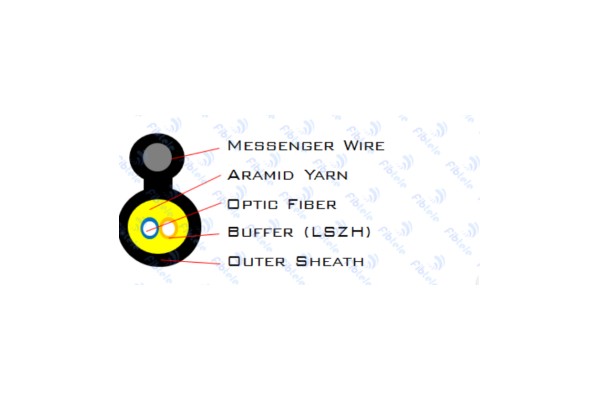
Figure 8 Flat Drop Cable
Figure 8 flat drop cable with PMD ≤0.06dB, cutoff wavelength ≤1260nm for FTTH outdoor aerial deployment.
View Details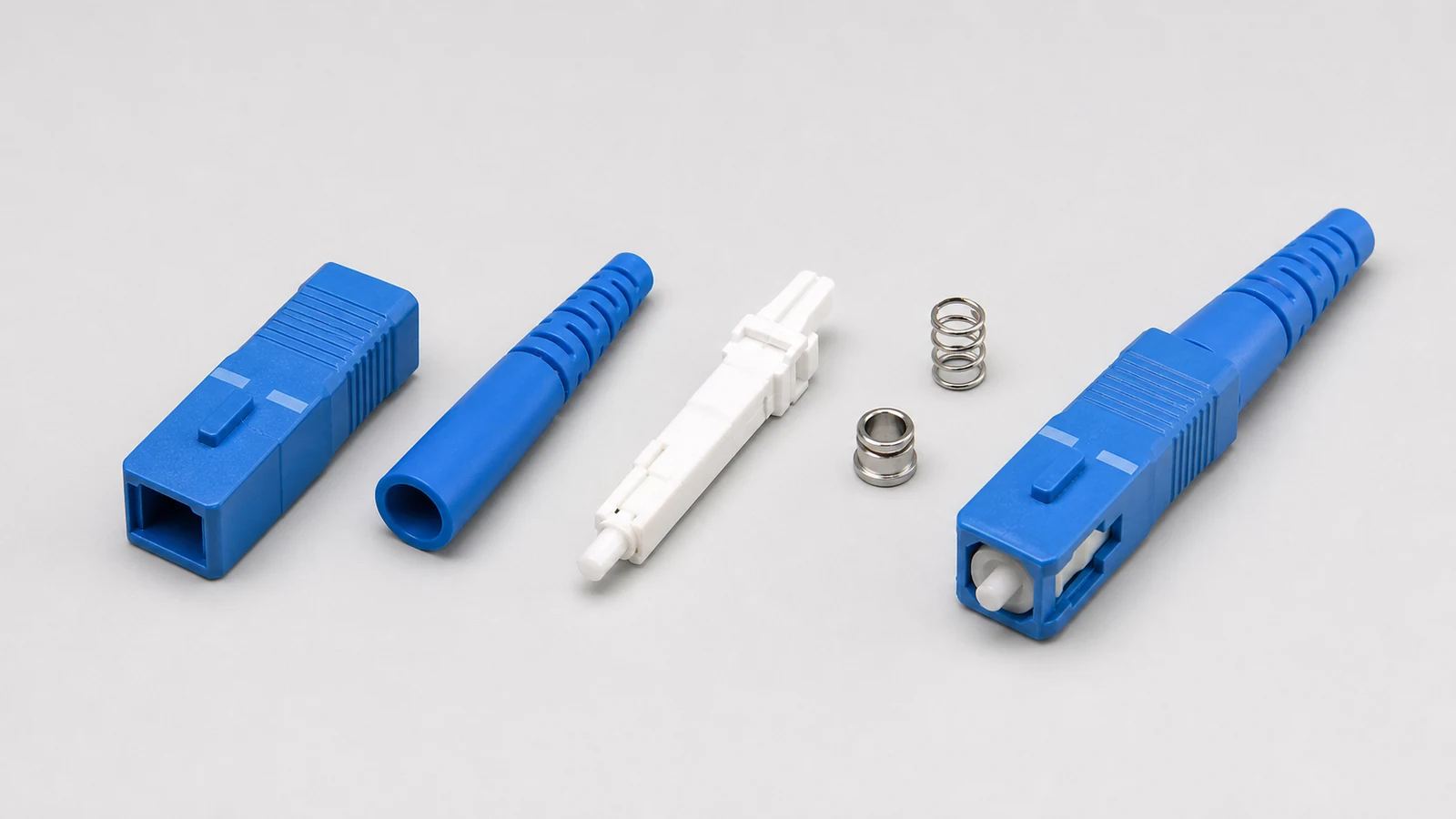
FTTH Connector SC With 30mm Boot
SC fiber optic connector with 30mm boot designed for FTTH drop cable termination.
View Details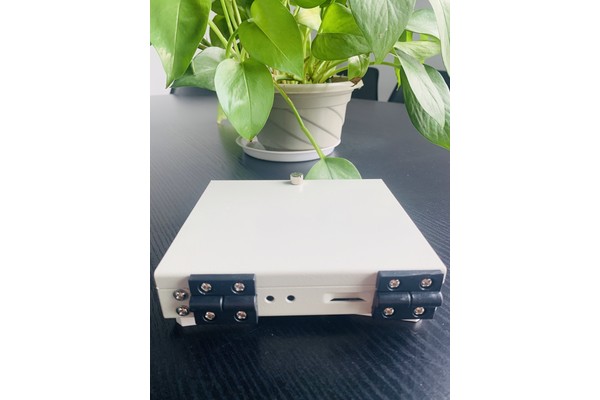
Terminal Box 8 Core FTB 108
8-core terminal box for end termination of residential and small buildings, fixing and splicing with pigtails.
View DetailsRelated technical guides
Primary references
- ITU-T G.657 — Bend-insensitive single-mode fibre and cable
International Telecommunication Union
Frequently asked questions
Bend-insensitive fiber helps manage tight building-entry and customer-premises bends, but the complete cable still has a defined minimum bend radius and installation limit.
Only when its construction, jacket, strength member, span and fire requirements cover both routes. Many projects transition between purpose-built sections.
Check dimensions, markings, fiber attenuation, tensile and bend behavior, connector or splice fit, sheath quality and the supplied test record.
Send the project inputs for configuration review
Include endpoint models, interfaces, quantities, route or process constraints, required test documents and acceptance criteria.