

PLC & FBT Fiber Splitter Production Line
Define PLC assembly or FBT tapering workflows, optical test requirements, packaging, environmental qualification and traceability.
Technical page updated 2026-07-23
Quick answer
PLC and FBT splitter production use different upstream processes, but both require controlled fibre preparation, coupling or device handling, packaging, optical measurement, environmental qualification and traceability. The line should be configured from the product family and acceptance plan.
Suitable project types
- PLC splitter assembly, packaging and test work cells
- FBT coupler and splitter tapering, monitoring, packaging and test lines
- Facilities adding new split ratios or package formats
- Teams documenting process controls and release criteria
Inputs required before selection
- 1PLC, FBT or both product families and process boundaries
- 2Port count, split ratio, wavelength range and package style
- 3Connectorised or bare-fibre output and pigtail construction
- 4Insertion-loss, uniformity, return-loss, PDL and wavelength test plan
- 5Environmental qualification, lot traceability and sampling requirements
Planning workflow
- 1
Define the product and process route
Separate PLC device handling and packaging from FBT tapering and ratio monitoring, then identify shared preparation and test stations.
- 2
Control fibre preparation
Specify stripping, cleaning, cleaving, splicing or coupling, fibre management and protection for each package.
- 3
Package and stabilise
Control alignment where applicable, bonding, curing, tube or module assembly, pigtail routing and connectorisation.
- 4
Measure and qualify
Measure the required optical parameters at defined wavelengths and environmental conditions, then link results to lot and unit identification.
Selection checklist
- PLC versus FBT process scope and outsourced inputs
- Channel count, wavelength set, dynamic range and measurement uncertainty
- Package, pigtail, connector and fibre-management requirements
- Environmental test scope and controlled standard edition
- Calibration, golden samples, traceability and non-conformance handling
Important limits
- A generic equipment list is not sufficient until the product construction and acceptance limits are approved.
- Claimed optical or environmental performance requires model-level test evidence.
- Production capacity depends on batch size, test duration, yield and rework as well as machine cycle time.
Products mapped to this workflow
These products are relevant to specific stages of the workflow. Final suitability depends on the configuration and acceptance criteria above.
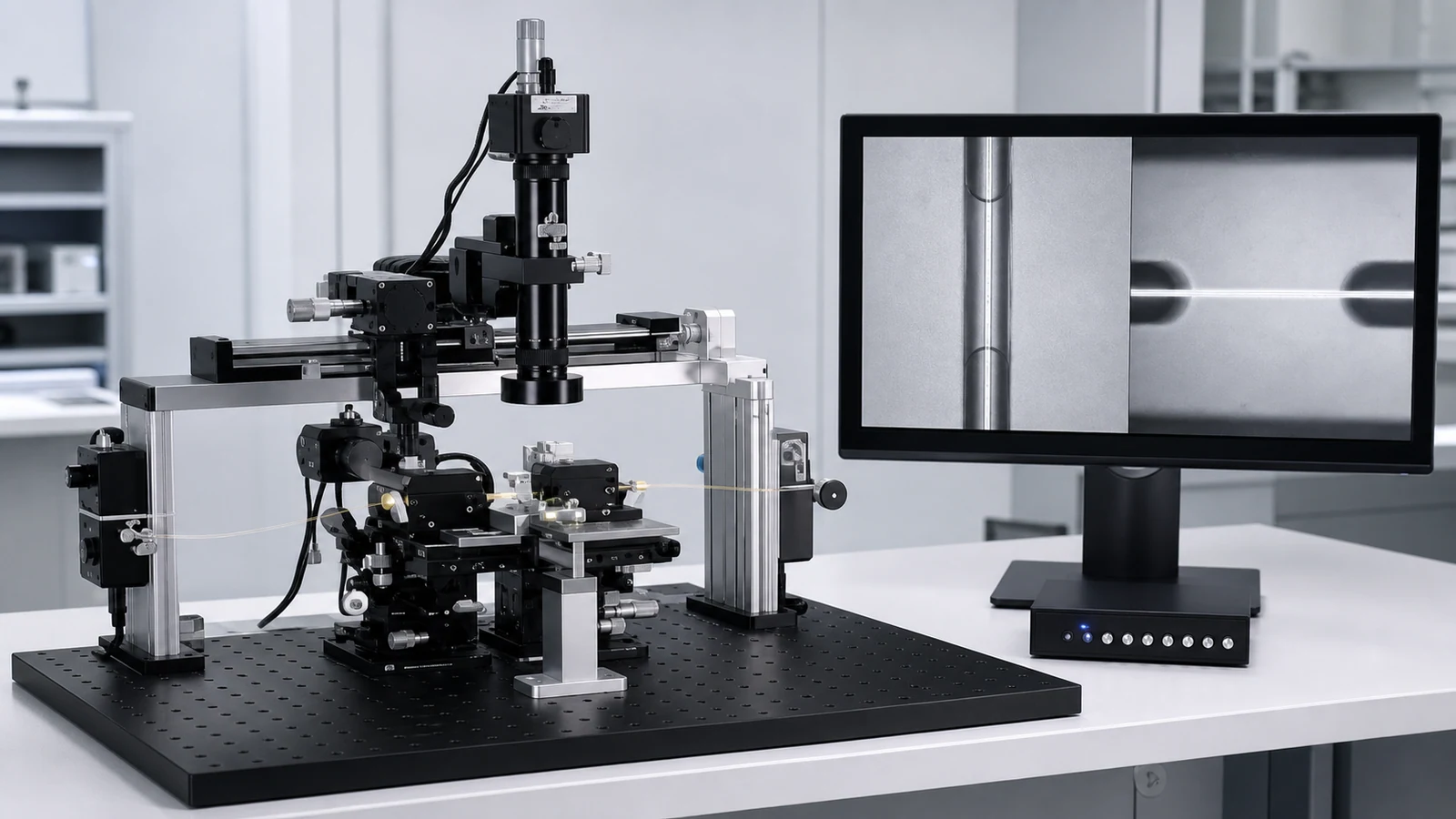
PLC Produce Equipments and Materials
Integrated equipment and materials package for PLC splitter assembly, optical alignment, packaging, and quality inspection in production environments.
View Details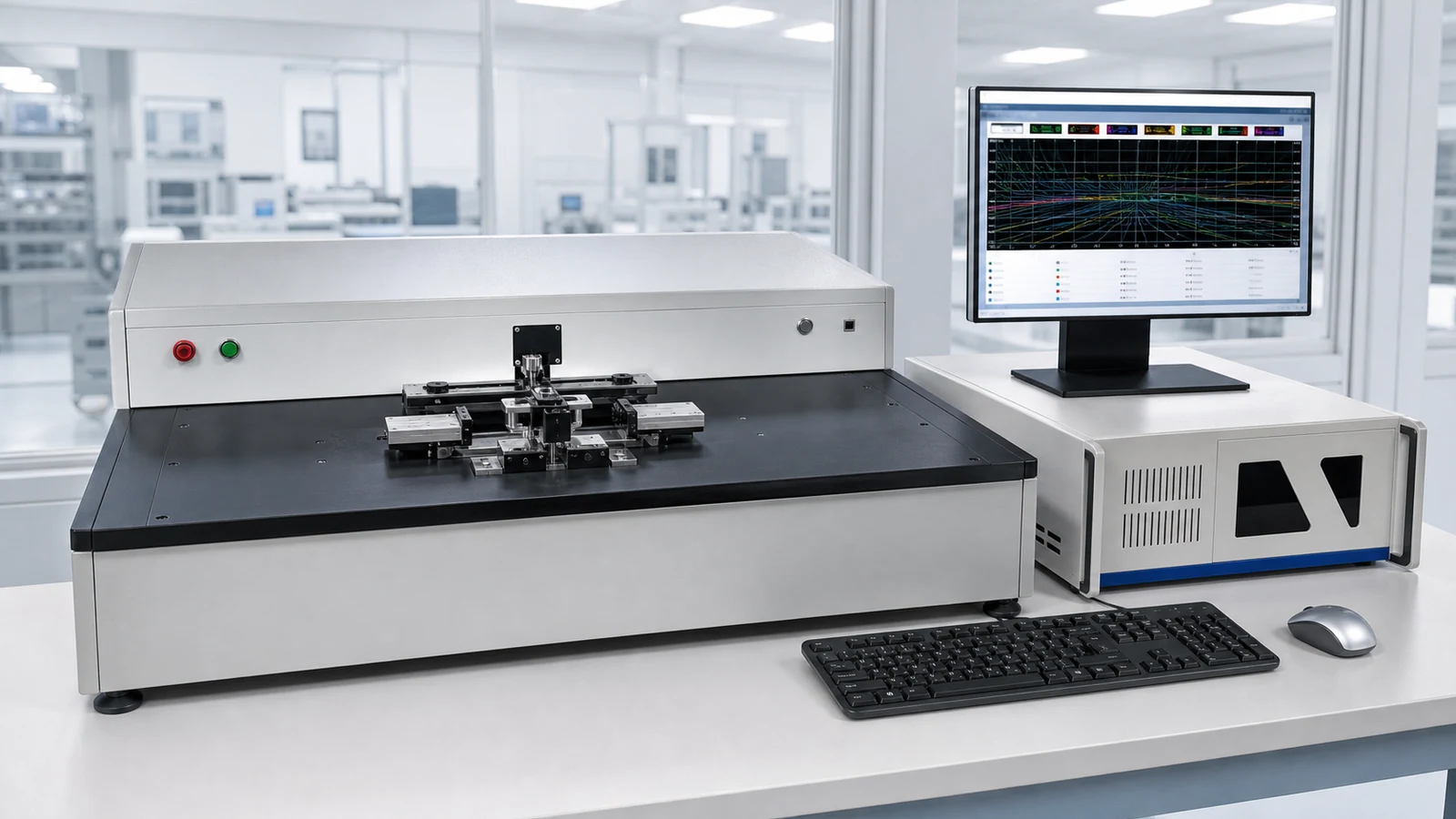
FBT Production Line
Integrated FBT splitter production line for fiber preparation, tapering, split-ratio monitoring, packaging, and optical performance testing.
View Details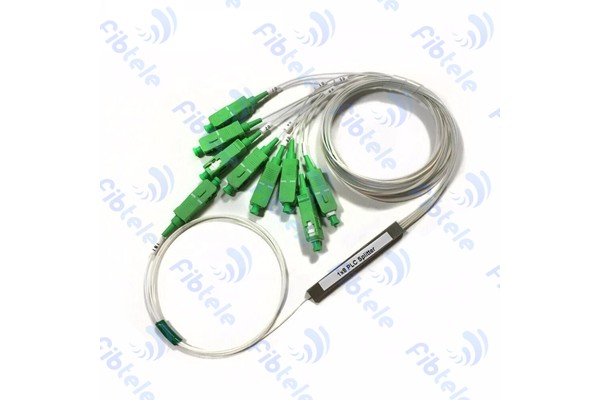
Mini Tube PLC Splitter
PLC splitter based on silicon dioxide waveguides for EPON, BPON and GPON network terminal equipment connections.
View Details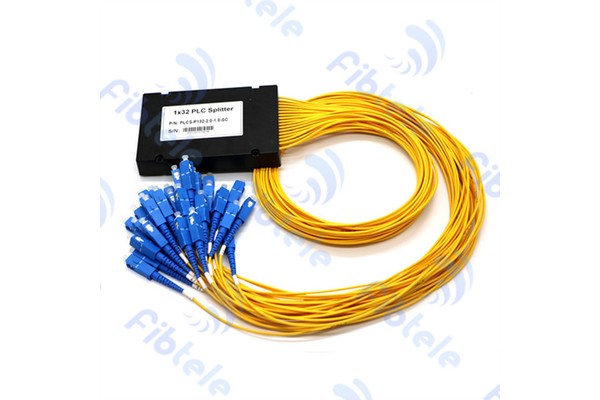
ABS Splitter
Planar light-wave circuit PLC splitter fabricated using silica optical waveguide technology in ABS box packaging.
View Details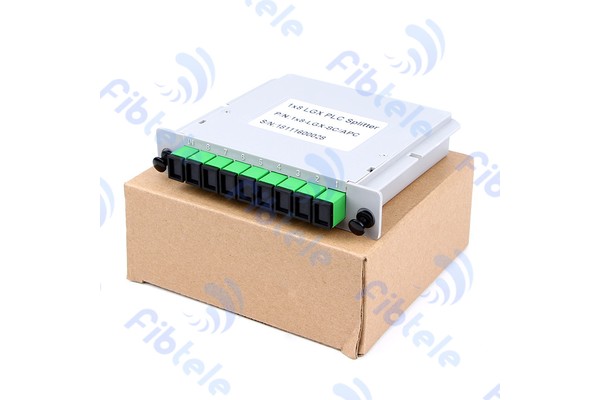
Cassette Splitter
PLC splitter in cassette packaging for connecting local equipment and terminal equipment in EPON, BPON and GPON networks.
View Details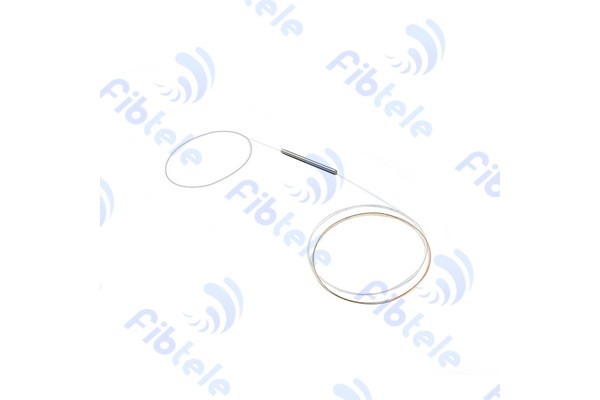
FBT Coupler
FBT coupler that bundles and melts fibers on pull-cone machine with real-time split ratio monitoring for precise splitting.
View DetailsRelated technical guides
Primary references
- ITU-T G.671 — Transmission characteristics of optical components and subsystems
International Telecommunication Union
- IEC 60875-1:2024 — Non-wavelength-selective fibre optic branching devices
International Electrotechnical Commission
Frequently asked questions
No. Device formation and critical equipment differ. Define whether the facility receives finished PLC chips or devices, and whether the FBT process includes tapering and real-time split-ratio monitoring.
The plan commonly addresses insertion loss, split uniformity or ratio, return loss, polarization-dependent loss and wavelength performance, but the exact set and limits must come from the approved product specification.
Link material and device lots, process equipment, operators, calibration status, test wavelengths, measured results, rework and final unit identification.
Send the project inputs for configuration review
Include endpoint models, interfaces, quantities, route or process constraints, required test documents and acceptance criteria.