
Fiber Optic Cable Selection for Indoor, Outdoor & FTTH Routes
Choose cable construction by fiber type, count, route, tensile load, water blocking, bend radius, sheath and installation environment.
Technical page updated 2026-09-30
Quick answer
Start with route, fiber type, count and installation method. Then verify tensile and crush ratings, water blocking, bend radius, sheath, fire behavior, temperature range and termination plan before approving the cable.
Suitable project types
- Feeder and distribution ODN routes
- Indoor data center backbones
- Aerial, duct and direct-buried networks
- FTTH drop and building riser cabling
Inputs required before selection
- 1OS2, OM3, OM4 or specified fiber performance
- 2Fiber count and reserve capacity
- 3Aerial, duct, indoor, riser or direct-burial route
- 4Tensile, crush, bend, water-blocking and temperature requirements
- 5Applicable operator, fire and installation standards
Planning workflow
- 1
Survey the route
Capture span, pulling method, pathway, bend points, temperature and exposure before choosing a construction.
- 2
Set optical capacity
Select fiber type, count and attenuation/dispersion limits for the optics, distance and growth reserve.
- 3
Specify mechanical protection
Match loose-tube, tight-buffer, armored, ADSS, figure-8 or drop construction to installation loads and environment.
- 4
Approve and test
Review factory test reports, drum markings, length, attenuation and documentation before deployment.
Selection checklist
- Fiber type and attenuation
- Count, tube/core allocation and reserve
- Route, span and installation method
- Sheath, armor, water blocking and fire rating
- Minimum bend radius and temperature range
Important limits
- A cable data sheet cannot replace a route survey and pulling calculation.
- Maximum span, pulling tension and bend radius are construction-specific.
- Confirm local fire, burial, aerial and operator requirements for the destination market.
Products mapped to this workflow
These products are relevant to specific stages of the workflow. Final suitability depends on the configuration and acceptance criteria above.
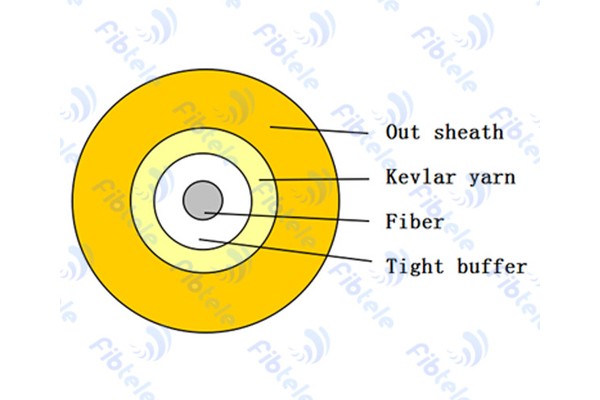
Fiber Optic Patch Cord Cable
Quality simplex and duplex fiber optic patch cord cables with tight buffer for indoor applications.
View Details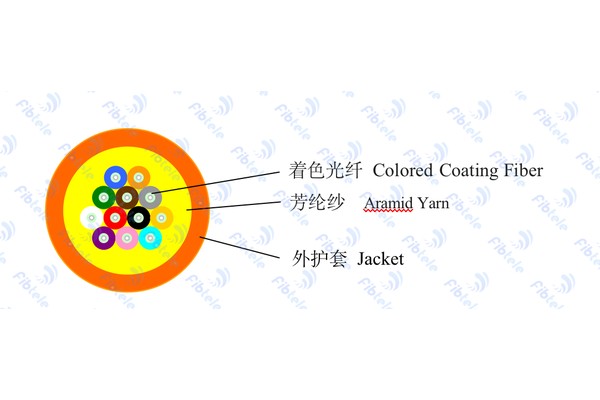
12 Core Miniature Fiber Optic Cable
12-core miniature fiber optic cable for high-density cabling in data centers and telecom applications.
View Details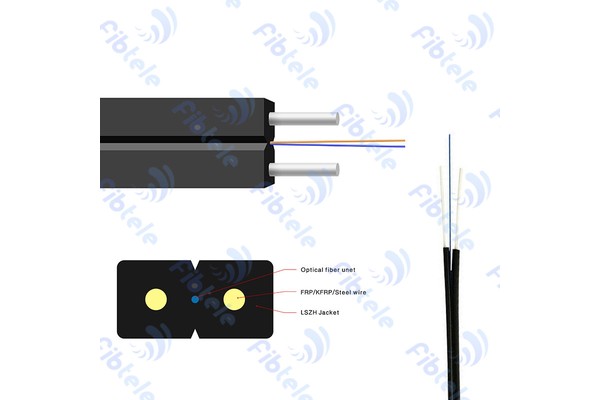
Fiber Drop Cable
Butterfly-shaped indoor optical cable for access network with central optical unit and two parallel FRP reinforcing elements.
View Details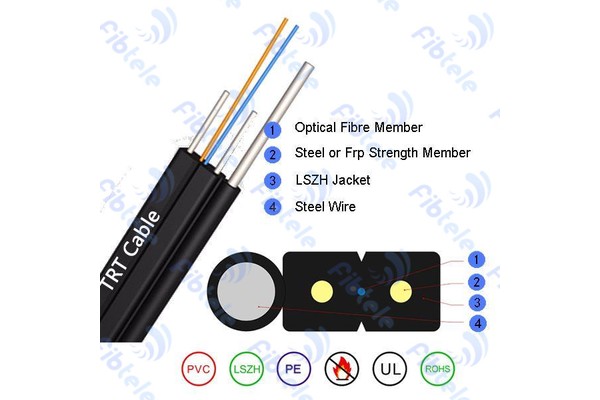
Drop Fiber Optic Cable
Self-supporting butterfly-shaped indoor optical cable for access networks with non-metallic reinforcing elements.
View Details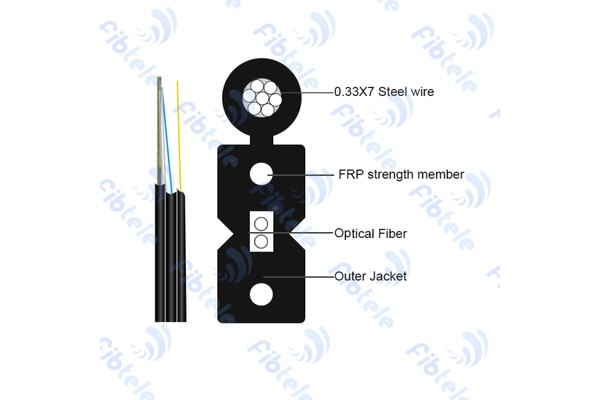
Self-Supporting FTTH Drop Cable
Special bending-resistant optical fiber cable providing greater bandwidth and enhanced network transmission characteristics.
View Details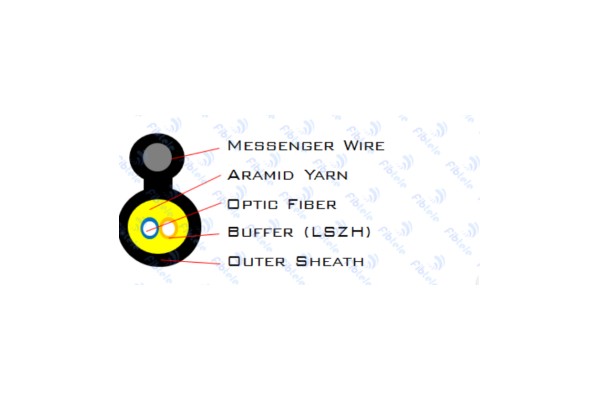
Figure 8 Flat Drop Cable
Figure 8 flat drop cable with PMD ≤0.06dB, cutoff wavelength ≤1260nm for FTTH outdoor aerial deployment.
View Details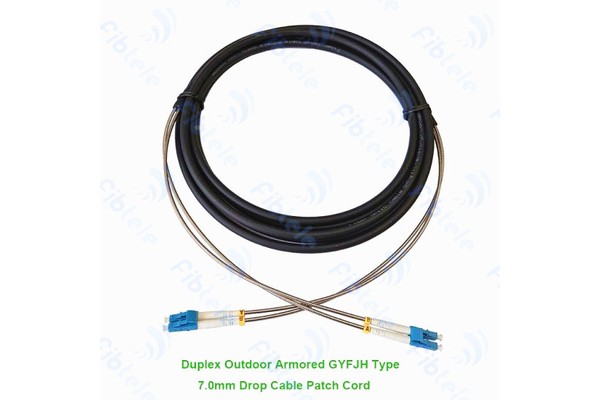
3.0mm SX Armored Indoor Cable
3.0mm simplex armored indoor fiber cable with SUS spiral armor for enhanced mechanical protection.
View DetailsRelated technical guides
Primary references
- ITU-T G.652 — Single-mode optical fibre and cable
International Telecommunication Union
- ITU-T G.657 — Bend-insensitive fibre and cable
International Telecommunication Union
Frequently asked questions
The answer depends on the drop route. A G.657 bend-insensitive drop cable is common for customer premises, while feeder and distribution sections may use other constructions and counts.
Reserve capacity against the serving-area plan, take rate, restoration policy and growth forecast. The correct reserve is a network decision, not a universal percentage.
Review the approved construction drawing, optical and mechanical data, factory test results, drum length, markings, packing and destination compliance documents.
Send the project inputs for configuration review
Include endpoint models, interfaces, quantities, route or process constraints, required test documents and acceptance criteria.